
Nigeria is quietly losing an estimated sixty billion naira every single year to foreign domain registration companies and international web hosting services, a steady and largely unexamined financial outflow that highlights a deep structural weakness at the heart of the country's digital economy and raises important questions about the development of domestic technology infrastructure capable of capturing more of the economic value generated by Nigeria's rapidly growing online activity.
The figure, drawn from analysis of Nigeria's digital economy landscape, reflects the reality that the vast majority of Nigerian websites, online businesses, and digital platforms are hosted on servers located outside the country, typically in the United States, Europe, or the United Arab Emirates, and that their domain names are registered through foreign companies rather than Nigerian registrars. Each of these transactions involves a payment in foreign currency that flows out of Nigeria rather than circulating within the domestic economy.
More in Technology
- PalmPay Hits 35 Million Users in Nigeria Six Years After Launch Marking Fintech Milestone
- Infinix GT 50 Pro Launches: Full Specs, Nigeria Price and Everything Gamers Need to Know
- Apex Legends in 2026: What Is Keeping the Battle Royale Giant Alive and Growing
- Twitch in 2026: What Is Happening to the World's Biggest Livestreaming Platform
- WhatsApp Notification Bubbles for Android: What the New Feature Means for Your Phone
The Scale of the Problem
Nigeria has millions of active websites and online platforms, ranging from media organisations and e-commerce businesses to government agencies, educational institutions, and individual blogs. The combined annual cost of web hosting and domain registration for these platforms, when paid to foreign providers, amounts to a substantial outflow of foreign exchange that compounds the country's existing pressures around dollar availability and currency stability.
Beyond the direct financial cost, the reliance on foreign hosting infrastructure creates additional vulnerabilities. Data sovereignty concerns arise when Nigerian citizens' data is stored on servers located in jurisdictions operating under different legal frameworks. Website availability and loading speed can be affected by the physical distance between Nigerian users and foreign-based servers. And the economic multiplier effect of technology spending, including the jobs, skills development, and tax revenue generated by the technology services sector, accrues to foreign economies rather than to Nigeria.
What Nigeria Is Doing and What More Is Needed
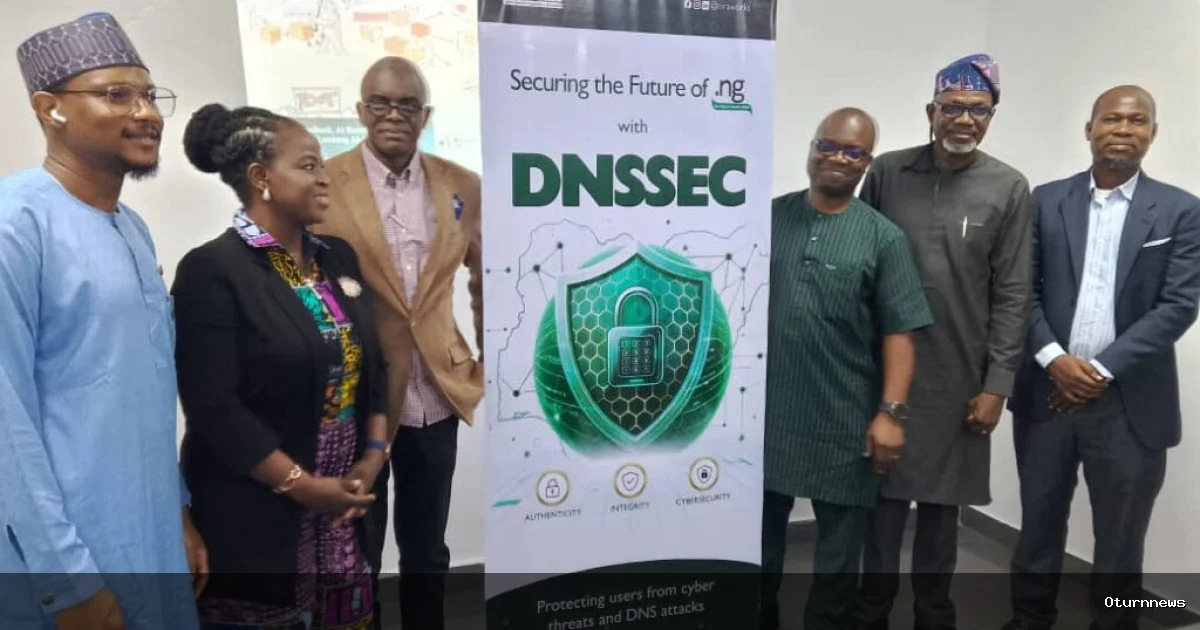
Nigeria's technology policy framework has long recognised the importance of developing domestic data centre capacity and encouraging the use of Nigerian web hosting services and the dot-ng country code top-level domain. The Nigerian Internet Registration Association, known as NiRA, manages the .ng domain registry and has worked to increase adoption of Nigerian domain names. However, the preference of many Nigerian website owners and businesses for internationally recognised domains like .com and for established foreign hosting providers with proven reliability track records has limited the impact of these efforts.
Building a competitive domestic web hosting and domain registration industry requires sustained investment in physical infrastructure including data centres with reliable power supply, high-capacity internet connectivity, and the technical expertise to maintain enterprise-grade server environments. It also requires creating enough confidence among potential customers that domestic services can match the reliability and performance they have come to expect from international providers.




Comments
Leave a Comment
All comments are reviewed before publishing.