
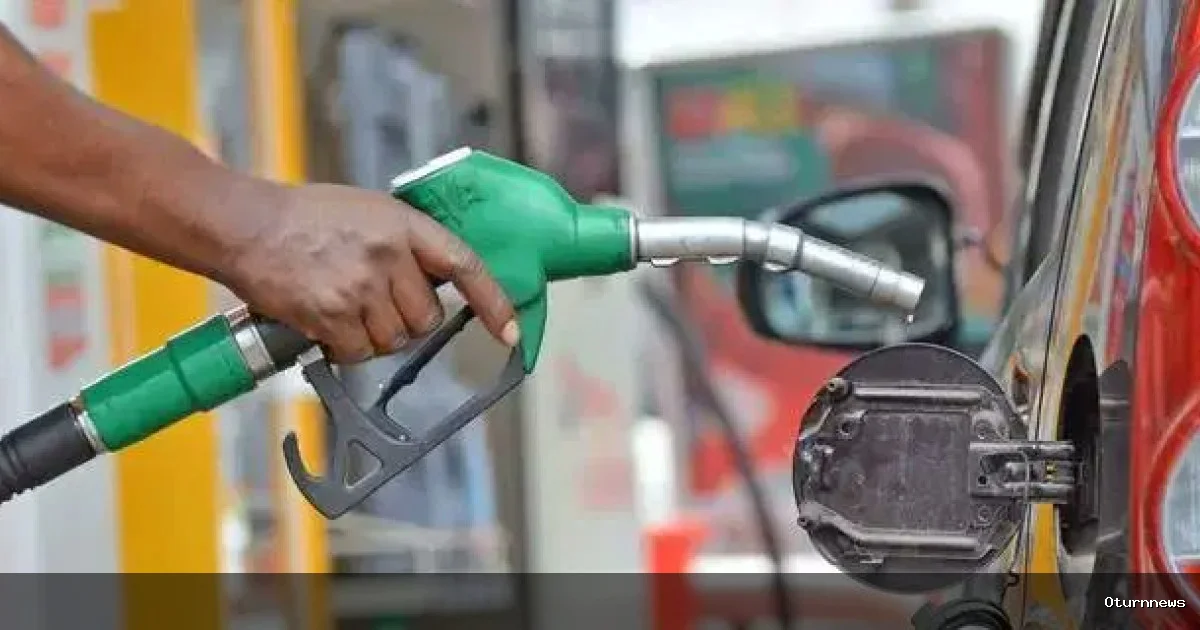
Nigerian motorists woke up to some welcome financial relief on Friday as filling stations across major cities, including Abuja, confirmed fresh reductions in petrol pump prices. Checks conducted across multiple service stations in the Federal Capital Territory showed price adjustments of approximately 35 naira per litre, with AA Rano, Ranoil, and Mobil stations among the outlets reflecting the new, lower figures at their pumps.
The development comes against the backdrop of a sustained downward trend in fuel prices that has been gradually easing pressure on Nigerian households and businesses since the beginning of the year. The Dangote Petroleum Refinery and the Nigerian National Petroleum Company have both played significant roles in driving prices lower over recent months through a combination of competitive pricing and supply-side interventions.
More in Business
- Business for Sale: How to Buy or Sell a Proven Legacy in 2026
- Nigeria Draws 1.5 Billion Dollars as First Tranche of 5 Billion UAE Swap Deal Amid IMF Warnings
- The Future of Business: Why Every Nigerian SME Needs a Fintech Strategy in 2026
- CPPE Warns FG Against Targeting South African Firms Over Xenophobia Saying It Harms Nigeria
- Naira Tightens Grip on Dollar Approaching N1,350 as Foreign Exchange Market Shows Stability
Current Petrol Prices Across Nigeria
Based on checks at filling stations in Abuja on Friday April 25, pump prices have settled at approximately 35 naira below the previous rate across the outlets that have reflected the reduction. The NNPC retail network, which reduced prices to 1,130 naira per litre in Lagos and 1,165 naira in Abuja back in March following Dangote Refinery's gantry price cut to 1,075 naira, has continued to serve as a pricing anchor for the market.
Private marketers who had been slower to pass on earlier price reductions to consumers are now responding to competitive pressure, with more stations across Abuja aligning their prices downward to attract patronage. The pattern in major commercial centres like Lagos and Port Harcourt shows similar dynamics playing out as the downstream petroleum sector continues to respond to global crude oil price movements.
The Role of the Dangote Refinery
The Dangote Petroleum Refinery has been instrumental in the recent cycle of petrol price reductions. Earlier this year, the refinery cut its gantry price by 100 naira to 1,075 naira per litre in response to a decline in global crude oil prices. The refinery also lowered diesel prices significantly, bringing Automotive Gas Oil down to 1,430 naira per litre from 1,620 naira, a reduction of 190 naira per litre that has had a meaningful impact on transportation and logistics costs across the country.
The emergence of Dangote Refinery as a domestic supply source has fundamentally changed the pricing dynamics in Nigeria's downstream petroleum sector. For the first time, NNPC and private marketers are operating in an environment where local production is a genuine competitive factor rather than a distant aspiration, and that competition is translating into lower prices at the pump for ordinary Nigerians.
Impact on Everyday Nigerians
Every naira reduction in petrol prices has a ripple effect across the Nigerian economy. Transport fares, food prices, generator running costs, and the general cost of doing business all have a direct relationship with the price of Premium Motor Spirit. When fuel prices fall, the relief for low and middle-income Nigerians is felt almost immediately, even if the transmission is not always perfect or immediate across every sector.
Economists and market watchers have noted that petrol prices in Nigeria, while still significantly higher than in the pre-deregulation era, are showing a gradual stabilisation and modest decline that, if sustained, could meaningfully reduce the inflationary pressures that have weighed on Nigerian households over the past two years.
Global crude oil market conditions, particularly movements in Brent crude pricing, will continue to be a key variable. As long as international oil prices remain at moderate levels, the conditions for further domestic petrol price stability or reduction remain in place.



Comments
Leave a Comment
All comments are reviewed before publishing.