
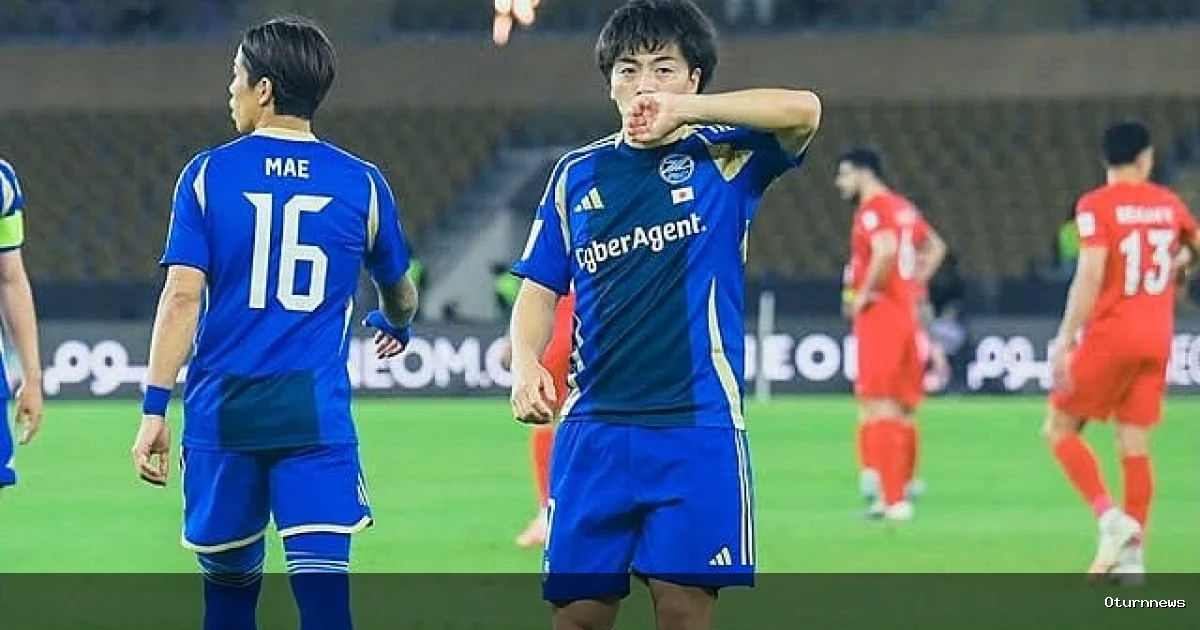
Al-Ahli of Saudi Arabia and Japan's Machida Zelvia contested a significant AFC Champions League Elite fixture that highlighted the growing competitive quality of Asian club football and the contrasting models through which different Asian nations have been building their football structures in the period since the Saudi Pro League's transformation into one of the world's most financially powerful domestic competitions.
Al-Ahli, backed by the enormous resources of the Saudi Public Investment Fund and boasting a squad that includes internationally recognised players recruited from Europe's major leagues, represent the ambition and financial firepower that Saudi football has brought to the continental competition in recent seasons.
More in Sports
- Tottenham vs Manchester United Women's Super League: North London Side Host Red Devils in WSL Battle
- Benfica vs Moreirense Portuguese Liga: Eagles Win to Keep Title Pressure on Sporting CP
- Bayern 1-1 Barcelona Women's Champions League: Dramatic Semi-Final as Kett Scores Then Gets Sent Off
- Inter Miami vs New England Revolution MLS: Messi Magic Continues as Herons Win at Chase Stadium
- Everton 1-4 Chelsea WSL: Sam Kerr Brace Fires Blues to Commanding Women's Super League Win
Machida Zelvia's Japanese Quality
Machida Zelvia represent everything that makes Japanese club football a genuinely competitive force in Asian competition. The J-League's emphasis on technical development, tactical organisation, and athletic discipline produces clubs that are difficult to overcome across two legs regardless of the financial disparity between the competing sides. Japanese clubs have consistently surprised better-funded opponents in Asian competition and Machida Zelvia approached this fixture with the belief that their preparation and collective quality could produce a meaningful result.
The AFC Champions League Elite's Growing Prestige
The Asian Football Confederation's elite club competition has been growing in commercial value and sporting prestige as the quality of clubs participating has risen. The combination of Saudi clubs, South Korean giants, Japanese sides, and other Asian competitors creates a continental competition that genuinely reflects the diversity and growing quality of football across the world's largest continent. For African football fans including those in Nigeria, the expansion of Asian football's global profile is an interesting parallel to the development of African club football through competitions like the CAF Champions League.


Comments
Leave a Comment
All comments are reviewed before publishing.