
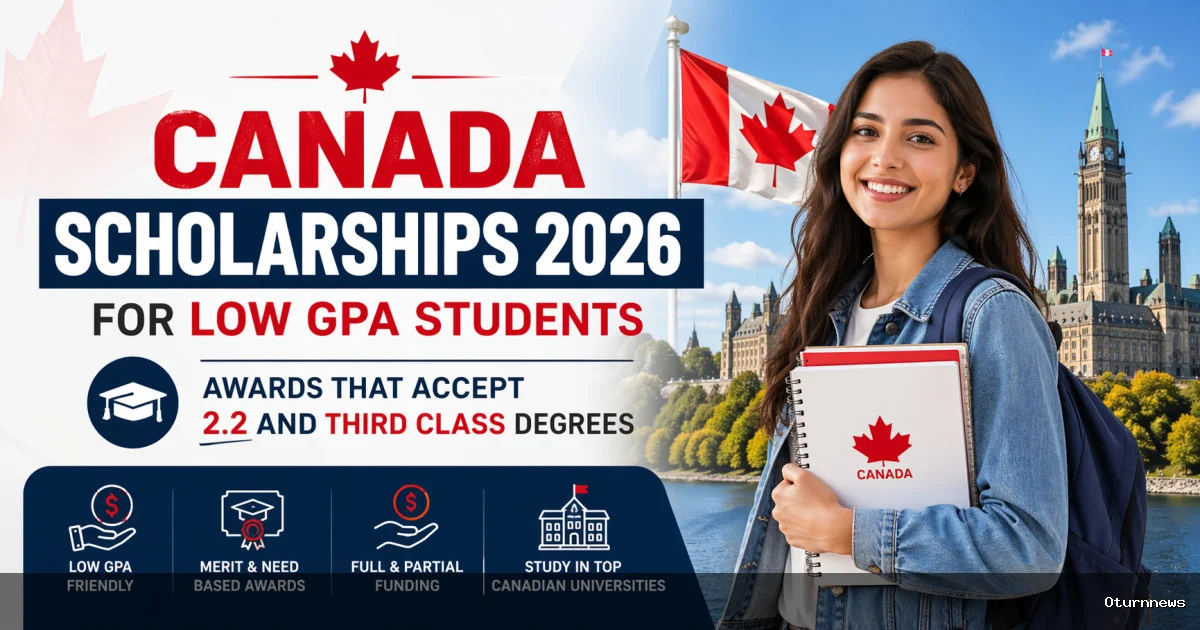
A common assumption among Nigerian students is that Canadian scholarship programmes are only accessible to candidates with a First Class degree or equivalent. That assumption causes talented, hardworking graduates with lower academic results to rule themselves out before they even begin researching their options. The truth is that several Canadian scholarship programmes in 2026 are specifically designed for students whose academic grades do not define the full picture of their potential, and a Second Class Lower or even a Third Class degree does not automatically close the door to funded study in Canada.
This guide explains which Canadian scholarships accept lower GPA applicants, how to strengthen your application to compensate for a lower grade point average, and what realistic expectations look like for Nigerian graduates at different academic levels.
More in Scholarships
- Top Canadian Universities Offering Full Scholarships in 2026: Updated List with Coverage Details and Application Tips
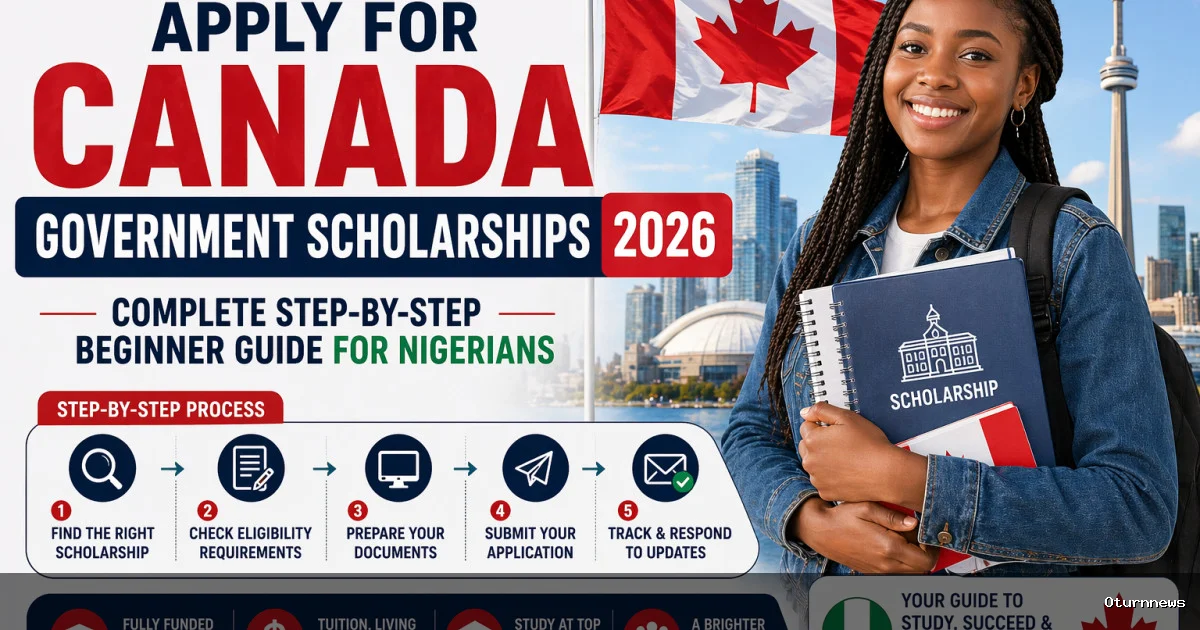
- How to Apply for Canada Government Scholarships 2026: Complete Step-by-Step Beginner Guide for Nigerians
- Study in Canada Without IELTS 2026: Universities That Waive the Requirement and Scholarships You Can Apply For
- September Intake Canada Scholarships 2026: Deadlines, Requirements and Schools Accepting Nigerian Students
- Canada Scholarships 2026 for Nigerian Students: Requirements, Deadlines and Complete Application Guide
Canadian Scholarships That Look Beyond Your GPA
Mastercard Foundation Scholars Program
The Mastercard Foundation Scholars Program is the most accessible major scholarship available to Nigerian students with lower academic results who want to study in Canada. The programme is explicitly designed for academically talented young Africans from disadvantaged economic backgrounds, and it defines talent broadly to include resilience, community leadership, entrepreneurial thinking, and the potential to give back to Africa after completing studies. A strong personal story of overcoming adversity, combined with evidence of community impact, can make a Nigerian applicant competitive regardless of their undergraduate grade.
University of British Columbia International Leader of Tomorrow Award
The UBC International Leader of Tomorrow Award weighs financial need alongside academic achievement. This dual focus means that applicants who do not have exceptional grades but who can demonstrate genuine financial hardship and meaningful leadership experience in their communities are considered seriously. The award can cover full tuition and living costs, making it life-changing for recipients.
Faculty-Based Research Assistantships
Many Canadian universities fund international graduate students through research assistantships that are tied to specific faculty projects rather than competitive national scholarship programmes. Supervisors at Canadian universities often have discretionary funding to support PhD students whose research aligns with their work. The academic threshold for these positions varies significantly by department and supervisor, and some faculty members are more willing than others to take on students with lower undergraduate results if the research fit and personal qualities are right.
This route requires you to proactively identify supervisors in your field, reach out with well-crafted research inquiry emails, and make a compelling case for why you are the right person to join their team regardless of your transcript. It is harder work than a standard scholarship application but it is a genuinely viable path for students whose grades underrepresent their actual capability.
Provincial Immigrant Nominee and Study Pathways
Several Canadian provinces have programmes that support international students with pathways into the workforce and community, particularly in sectors facing skills shortages like healthcare, technology, agriculture, and education. While these are not scholarships in the traditional sense, they provide access to reduced-cost education combined with employment pathways that effectively lower the financial barrier to Canadian study for Nigerians who are motivated to build a career in those sectors.
How to Build a Competitive Application With a Lower GPA
The most effective strategy for a Nigerian student with a lower undergraduate GPA applying for Canadian funding in 2026 is to shift the centre of gravity of your application away from your academic record and toward the other dimensions of your profile that are genuinely strong.
Professional experience is the most powerful compensating factor. If you have worked in your field for several years after graduation and have built a track record of meaningful achievement, that experience speaks louder than your undergraduate transcript in many Canadian scholarship and admissions contexts. Document your professional accomplishments in specific, quantifiable terms and make them central to your application narrative.
Research experience is equally powerful, particularly for graduate scholarship applications. If you have conducted any form of research after your degree, whether independently, through your employer, or through community projects, highlight it prominently. Publication credits, conference presentations, research reports, or even well-documented community needs assessments all demonstrate research capability that an undergraduate grade alone does not capture.
A postgraduate degree with strong results is one of the cleanest ways to overcome a weak undergraduate result. Many Canadian universities and scholarship programmes evaluate graduate applicants primarily on their most recent degree. A merit or distinction at Master's level, even from a Nigerian university, can reset the academic baseline of your application significantly.
Being Honest About What Is and Is Not Realistic
Some Canadian scholarships do have firm academic requirements that a lower GPA makes difficult to meet. The Vanier Canada Graduate Scholarship requires an average of at least first class or A standing in each of the last two years of study. This is a hard requirement and no amount of compelling personal statement writing will compensate for not meeting it. Be strategic about which scholarships you pursue and focus your energy on those where your complete profile is genuinely competitive.
A Word on Realistic Expectations by Academic Grade
If your result is a Second Class Lower, you have genuine access to Chevening, Great Scholarships, university bursaries, and many foundation awards in both Canada and the UK. Prepare a strong application, lead with your professional experience, and apply widely. Your chances are real.
If your result is a Third Class degree with no postgraduate qualification and limited work experience, the fully funded flagship scholarships are very difficult to access right now. The most strategic path is to spend the next two to three years building a stronger profile through professional achievement, voluntary research work, and if possible a postgraduate certificate or diploma that demonstrates renewed academic capability. The door is not closed but the preparation required is longer.
Frequently Asked Questions
Is a 2.2 degree accepted for Canadian scholarships?
For most Canadian government scholarships like Vanier, a first class academic record is required. However, university entrance scholarships, the Mastercard Foundation Scholars Program, and faculty-based research assistantships do not require a first class result and are genuinely accessible to students with a Second Class Lower or equivalent GPA.
What counts more than GPA in Canadian scholarship applications?
Research experience, publications, professional achievements, demonstrated leadership in your community, and a compelling personal narrative about your goals and the impact you want to create all carry significant weight in Canadian scholarship evaluations. Build those elements deliberately and make them the centrepiece of every application you submit.



Comments
Leave a Comment
All comments are reviewed before publishing.