
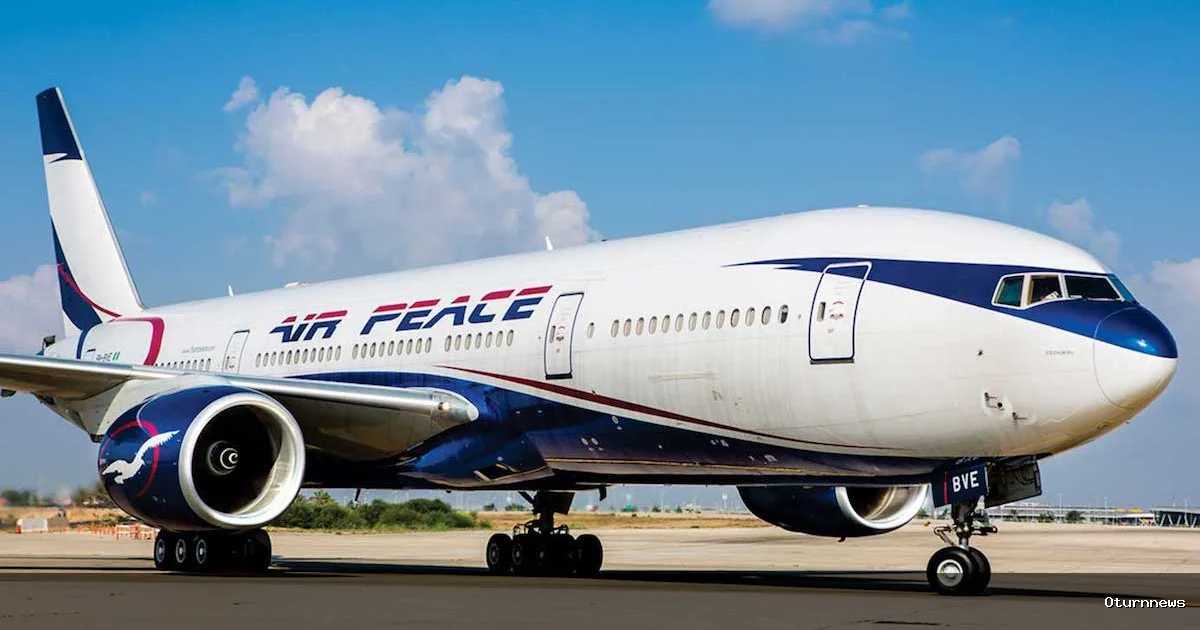
Air Peace, Nigeria's largest airline by fleet size and route network, has reduced its Abuja to London flight frequency to three times per week, citing ongoing constraints in the supply of Jet A1 aviation fuel in Nigeria as the primary reason for the schedule adjustment. The reduction affects one of the airline's most prestigious international routes, which was launched with considerable fanfare as a direct connection between the Nigerian capital and the United Kingdom.
The Abuja to London Gatwick route, operated by Air Peace using its Boeing 777 wide-body aircraft, had been running at a higher frequency before the fuel availability challenges began constraining the airline's operational planning. The decision to reduce frequency rather than suspend the route entirely reflects Air Peace's commitment to maintaining its international presence while managing the practical constraints imposed by the current supply environment.
More in Business
- UBA 2025 Full Year Results: Profit Falls 47 Percent to N404.7 Billion but Assets Grow to N33.2 Trillion
- CBN Raises ATM Card Fee to N1,500 and Abolishes Monthly Maintenance Charge
- Nigeria Petrol Price Update: Filling Stations Reduce Fuel Prices Across Major Cities
- Business for Sale: How to Buy or Sell a Proven Legacy in 2026
- Nigeria Draws 1.5 Billion Dollars as First Tranche of 5 Billion UAE Swap Deal Amid IMF Warnings
Nigeria's Aviation Fuel Crisis
The shortage of Jet A1 fuel, the standard kerosene-based aviation fuel used by commercial airlines, has been a persistent challenge for Nigerian carriers over the past year. The problem is driven by a combination of foreign exchange availability issues, refining capacity limitations, and distribution challenges across the country. Airlines operating in Nigeria have repeatedly flagged the fuel situation as one of the most significant operational constraints they face, with costs and availability both presenting problems at different points during the year.
The deregulation of the downstream petroleum sector, while positive in its broader economic implications, has created a transition period during which market-determined fuel pricing has made operational cost planning more complex for airlines working on international routes where ticket prices are set in advance and cannot easily absorb sudden fuel cost increases.
Impact on Passengers and What to Do
Passengers with bookings on affected flights are advised to contact Air Peace customer service or their booking agent to confirm the status of their specific travel arrangements and to explore rebooking options if their scheduled flight falls on a day no longer operated under the reduced frequency. Air Peace has committed to honouring all existing valid bookings and accommodating affected passengers on the next available service.
The Abuja to London route remains one of the most strategically important air connections for Nigeria, facilitating business travel, family visits, medical tourism, and educational travel between the two countries. Nigeria maintains one of the largest Nigerian communities in the United Kingdom, concentrated particularly in London and the southeast of England, making direct air connectivity between Abuja and London a genuine public service beyond its commercial significance.
Nigerian Aviation Sector Under Pressure
Air Peace's schedule reduction is the latest in a series of operational challenges faced by Nigerian airlines in recent months. The broader aviation sector in Nigeria has been navigating a difficult environment characterised by high operating costs, infrastructure constraints at major airports, foreign exchange pressures affecting aircraft lease payments and maintenance contracts denominated in US dollars, and the fuel supply challenges that have now forced a visible reduction in one of the country's most prominent international routes.




Comments
Leave a Comment
All comments are reviewed before publishing.