
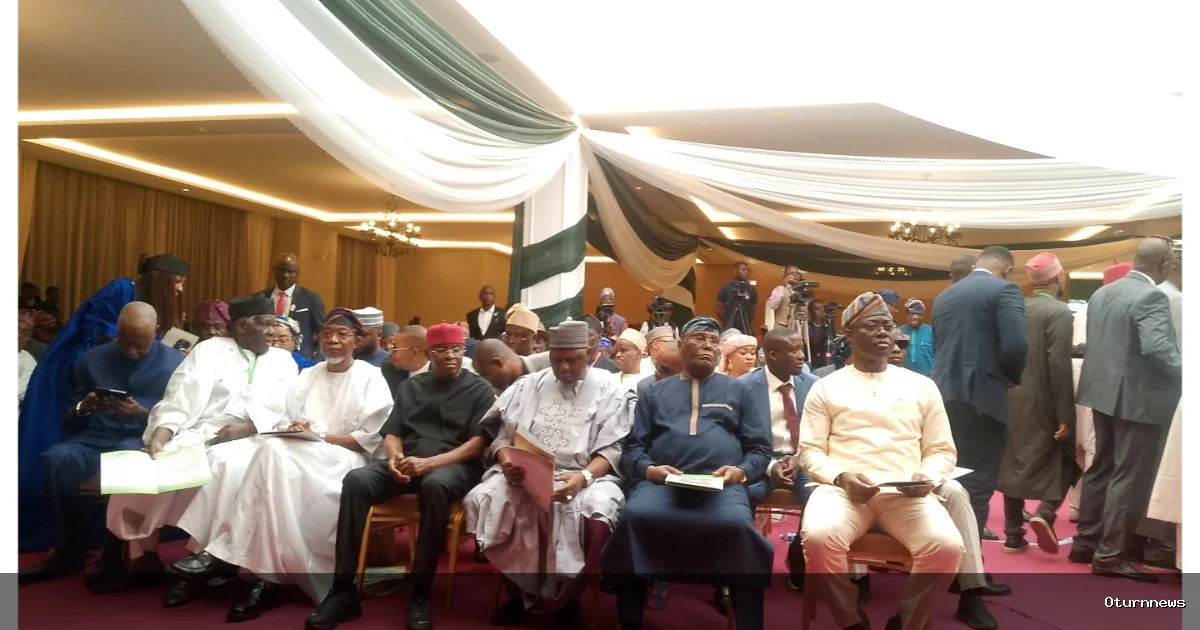
Former Senate President David Mark delivered one of the most pointed assessments of Nigeria's electoral situation at the opposition summit in Ibadan on Saturday, declaring that Nigerians across the country had lost confidence in the Independent National Electoral Commission and that the current leadership of the electoral body posed a direct threat to the integrity of the 2027 general elections.
Mark, who served as President of the Senate during the Goodluck Jonathan administration and remains a significant voice in Nigerian political circles, was among the heavyweights who converged on Ibadan at the invitation of Oyo State Governor Seyi Makinde for the National Summit of Opposition Political Party Leaders. His comments about INEC resonated with the broader theme of the summit, which positioned the electoral commission's current leadership as one of the central obstacles to a credible 2027 electoral process.
More in Politics
- Oyo State Government Confirms Lassa Fever Outbreak With One Dead as Emergency Measures Activated
- PDP National Convention: Damagun Ratified as Chairman as Party Expels Wike and Key Loyalists
- Nigeria Opposition Unites in Ibadan: Atiku, Peter Obi, Kwankwaso Agree on Single Candidate Against Tinubu in 2027
- 2027 Race Sparks Fresh Wave of Defections in House of Representatives
- Babatunde Fashola Appointed as Chairman of Nigerian Electricity Regulatory Commission
What Mark Said About INEC
The former Senate President did not mince his words in expressing what he described as a nationwide collapse of public trust in INEC. He argued that for elections to produce outcomes that the Nigerian public accepts as legitimate, the body administering those elections must itself be trusted by the majority of citizens to act with neutrality and professional independence. Mark's position was that INEC under its current chairman, Professor Joash Ojo Amupitan, had forfeited that trust and that no amount of procedural reforms could restore public confidence while Amupitan remained in his position.
The opposition summit's communique echoed Mark's position, formally calling for Amupitan's removal and stating that the INEC chairman should not be allowed to conduct the 2027 elections. The demand represents an escalation of opposition pressure on the federal government and on the process by which INEC leadership appointments are made, which ultimately rests with the presidency subject to Senate confirmation.
The Stakes for Nigerian Democracy
Mark's intervention and the broader message of the Ibadan summit touch on one of the most fundamental questions in Nigerian political life: whether the country's democratic institutions are genuinely independent or whether they operate under the shadow of ruling party influence. These questions are not new in Nigerian politics, having been raised by different actors at different points in the country's democratic history, but they carry particular weight in the current moment when the opposition is attempting to build a coherent national coalition capable of challenging an incumbent administration that commands significant state resources and institutional advantages.
For ordinary Nigerians watching these developments, the credibility of the 2027 elections will be measured not just by who wins but by whether the process itself is seen to be fair and whether the independent institutions responsible for managing the process behave in ways that justify the trust that democracy requires.
Comments
Leave a Comment
All comments are reviewed before publishing.