
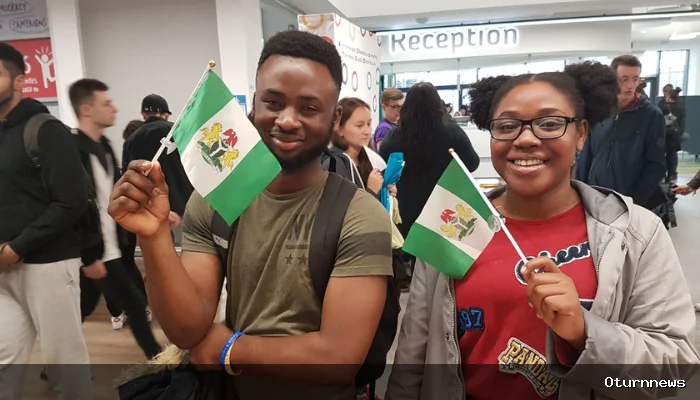
Getting a fully funded PhD scholarship in the United Kingdom in 2026 is one of the most life-changing opportunities available to Nigerian and African students right now. With tuition fees at top UK universities running between fifteen thousand and thirty thousand pounds per year, plus living costs in cities like London, Manchester, and Edinburgh, self-funding a doctoral degree is nearly impossible for most applicants from developing nations. But thousands of Nigerian students have used these scholarships to build world-class academic careers without spending a single kobo on tuition or accommodation.
This guide breaks down every major fully funded PhD scholarship available in the UK for 2026, what each one covers, who qualifies, and exactly how to apply including the insider strategies that most applicants never discover until it is too late.
More in Scholarships
- Masters Scholarships in Canada 2026 with Full Funding and PR Pathway Opportunities for Nigerians
- September Intake UK Scholarships 2026: Full Deadlines, Requirements and Application Guide for Nigerian Students
- How to Study in the UK Without IELTS in 2026: Scholarships and Universities That Waive the Requirement for Nigerians
- Cheapest Universities in Canada with Scholarships 2026 for International and Nigerian Students
- Canada Scholarships 2026 for Low GPA Students: Awards That Accept 2.2 and Third Class Degrees
What Does a Fully Funded PhD Scholarship in the UK Actually Cover?
Before exploring specific scholarships, you need to understand what "fully funded" really means so there are no surprises after you accept an offer. A fully funded UK PhD scholarship typically covers full tuition fees paid directly to the university for the entire programme duration of three to four years. It also provides a monthly living stipend ranging from one thousand four hundred pounds to one thousand eight hundred pounds depending on the funder and institution. On top of that, scholars receive a dedicated research allowance covering laboratory costs, fieldwork, data collection, and other direct research expenses. Conference funding is also included, giving you grants to attend and present your research at national and international academic conferences. Some scholarships go further by covering UK student visa fees, the immigration health surcharge, and even return flights from Nigeria.
Top Fully Funded PhD Scholarships in the UK for 2026
1. Commonwealth PhD Scholarship 2026
The Commonwealth Scholarship Commission offers one of the most prestigious and comprehensive PhD funding packages available to Nigerian students. It is specifically designed for citizens of Commonwealth countries, which includes Nigeria, and it has been transforming careers since the 1960s.
This scholarship covers full tuition, a monthly living stipend, return airfare between Nigeria and the UK, a thesis preparation allowance, and a study travel grant for research conducted outside the UK. The monthly stipend is adjusted based on whether you study in London or outside London, reflecting the real cost of living in different parts of the country.
To be eligible you must hold at least a Second Class Upper degree in a relevant field. You must be a Nigerian citizen currently living in Nigeria and you must not have lived in the UK for more than five years before the application date. Priority is always given to applicants whose research has direct relevance to Nigeria's development, particularly in areas like agriculture, healthcare, technology, education, and governance.
Applications are submitted through Nigeria's nominating agency. The Commonwealth Scholarship Commission website publishes opening and closing dates each year, typically between October and January. Make sure you apply early because the nominating process at the national level has its own earlier deadlines.
2. Chevening Scholarship 2026
Funded directly by the UK Foreign, Commonwealth and Development Office, the Chevening Scholarship is the British government's flagship international award programme. It is designed for emerging leaders and influencers from around the world, and Nigerian students consistently rank among the top recipients globally every single year.
The scholarship covers full tuition fees, a monthly living allowance calculated based on your university's location, return economy class flights from Nigeria to the UK, a one-time arrival allowance, and your UK student visa application fee. There are no hidden costs for Chevening scholars.
Eligibility requires that you have at least a Second Class Lower degree, a minimum of two years of full-time paid work experience after completing your undergraduate degree, and a clear plan to return to Nigeria after your studies to contribute to national development. Chevening places heavy emphasis on leadership potential and networking ability, so your personal statement and references need to reflect those qualities convincingly.
The application window opens every August and closes in early November. Results are announced the following April. The entire process takes about eight months from start to finish, so planning ahead is essential.
3. UKRI Doctoral Training Partnerships
UK Research and Innovation funds doctoral research across all major disciplines through partnerships between universities and research institutes across the country. These awards are highly competitive but genuinely accessible for Nigerian students who apply directly through affiliated universities.
UKRI awards cover full tuition plus a tax-free annual stipend which currently stands at around seventeen thousand three hundred pounds per year. Research costs, training, and conference attendance are also funded. The key is identifying which universities in your field have active UKRI Doctoral Training Partnerships and contacting potential supervisors well before the formal application deadline.
4. Wellcome Trust PhD Fellowships
For Nigerian students interested in biomedical sciences, public health, or global health research, the Wellcome Trust is one of the most generous funders in the world. Wellcome Trust PhD Fellowships cover full tuition, a competitive stipend, consumables, equipment, and training costs. They are awarded through partnering universities and research centres across the UK.
Wellcome is particularly interested in funding research that addresses health challenges in low and middle-income countries, which gives Nigerian applicants a genuine advantage when framing research proposals around problems like malaria, tuberculosis, maternal mortality, or antibiotic resistance.
5. Gates Cambridge Scholarship
The Gates Cambridge Scholarship is funded by the Bill and Melinda Gates Foundation and administered by the University of Cambridge. It is one of the most competitive and most generous scholarships in the world, covering full tuition, a maintenance allowance of around twenty thousand pounds per year, and additional funding for fieldwork and conferences.
What makes Gates Cambridge unique is its emphasis on leadership and commitment to improving the lives of others. Nigerian applicants who can demonstrate a strong track record of community impact alongside exceptional academic results have a genuine shot at this award. The scholarship is available across all subjects offered at Cambridge.
6. Rhodes Scholarship
The Rhodes Scholarship is the oldest and arguably most famous international scholarship in the world. Nigerian students can apply through the Rhodes Scholarship Nigeria programme for fully funded postgraduate study at the University of Oxford, including PhD programmes.
The scholarship covers Oxford tuition fees, a monthly maintenance stipend, return airfare, and health insurance. Rhodes Scholars are selected based on academic excellence, leadership qualities, commitment to service, and personal character. The application process involves written applications, shortlisting, and a final interview conducted in Nigeria.
How to Write a PhD Scholarship Application That Actually Gets Funded
Most PhD scholarship applications fail not because the candidate lacks ability but because the application itself is weak. Here are the strategies that consistently produce successful results.
Contact your potential supervisor before submitting any formal application. Send a concise, professional email introducing yourself, summarising your research background, and explaining why you want to work specifically with them. Supervisors who already know you are far more likely to support your scholarship application actively.
Tailor your research proposal to the specific funding body's priorities. If you are applying for a Wellcome Trust fellowship, frame your research around global health impact. If you are applying for a Commonwealth Scholarship, connect your research directly to a development challenge in Nigeria. Generic proposals that could apply to any scholarship rarely succeed.
Request references from people who know your research work closely, not just senior academics with impressive titles. A detailed, specific reference from a direct supervisor is worth far more than a vague endorsement from a professor who barely knows you.
Frequently Asked Questions About UK PhD Scholarships for Nigerian Students
Can I apply for a UK PhD scholarship with a Third Class degree?
Most fully funded PhD scholarships require at least a Second Class Upper degree. However, if you have a Second Class Lower degree combined with significant research experience, publications, or a strong Master's degree result, some scholarships including UKRI partnerships and some Wellcome Trust routes may still consider you. A Third Class degree makes most scholarships very difficult to access without substantial additional qualifications or postgraduate work.
Do I need IELTS to apply for a UK PhD scholarship?
Most UK universities require proof of English language proficiency for international students. However, if you graduated from a Nigerian university where the language of instruction was English, many universities will waive the IELTS requirement. Always check the specific language policy of the university you are applying to rather than assuming either way.
Can I work while on a UK PhD scholarship?
Yes. Most UK student visas allow you to work up to twenty hours per week during term time and full-time during official university vacations. Many PhD scholars supplement their stipend with part-time teaching assistant roles within their department.
What is the success rate for Nigerian applicants?
Nigeria consistently ranks among the top five countries receiving Commonwealth Scholarships and Chevening awards. The success rate is not published officially but competition is fierce. Typically fewer than five percent of applicants receive offers, which is why preparation, tailoring, and early supervisor contact make such a significant difference.
Final Advice Before You Apply
Start your application process at least twelve months before you want to begin your PhD. Use that time to identify the right supervisor, develop a research proposal, strengthen your academic profile, and gather strong references. Nigerian students who receive fully funded UK PhD scholarships are not necessarily the most brilliant in the room. They are the most prepared, the most strategic, and the most persistent. That is a standard you can meet.

Comments
Leave a Comment
All comments are reviewed before publishing.