
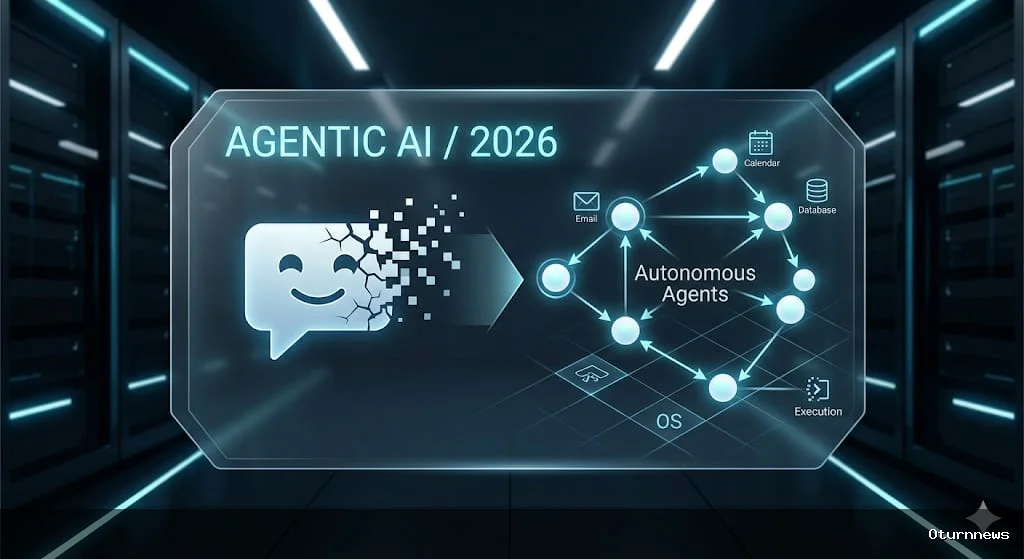
In 2026, the era of passive AI chatbots is over. They have been replaced by Agentic AI, autonomous software systems that not only respond to questions but also plan, execute complex multi-step workflows, and operate across entire digital ecosystems using external tools. This shift marks a major architectural change in computing, where AI is no longer just a tool you interact with, but a foundational operating system that drives human and machine productivity.
1. Introduction: The End of the Prompt Era
There was a time when interacting with artificial intelligence meant typing a prompt into a chat box and waiting for a response. That experience, once considered advanced, now feels outdated. In 2023 and 2024, large language models such as GPT 4 and Claude transformed AI into powerful information systems capable of generating text, answering questions, and assisting with tasks.
More in Technology
- Nigeria Is Losing N60 Billion Annually to Foreign Domain Registrations and Web Hosting Services
- PalmPay Hits 35 Million Users in Nigeria Six Years After Launch Marking Fintech Milestone
- Infinix GT 50 Pro Launches: Full Specs, Nigeria Price and Everything Gamers Need to Know
- Apex Legends in 2026: What Is Keeping the Battle Royale Giant Alive and Growing
- Twitch in 2026: What Is Happening to the World's Biggest Livestreaming Platform
However, these systems were largely passive. They responded when called upon, but they did not take initiative. They were commonly referred to as chatbots.
By 2026, that model will have changed completely.
We are now in the age of Agentic AI. The shift is no longer about AI that responds, but AI that acts. This evolution marks the beginning of a new technological era in which AI functions less like a conversational tool and more like an operational system.
2. What Is Agentic AI?
Agentic AI represents a new generation of artificial intelligence systems designed with autonomy and decision-making capability. Unlike traditional chatbots that wait for instructions, these systems can understand high-level objectives, interpret intent, and independently organize the steps required to achieve a goal.
For example, when given a task such as planning a marketing campaign, an Agentic AI system does not simply provide suggestions. It can break the objective into smaller tasks, such as research, content creation, audience targeting, and distribution planning, then coordinate how each step should be executed.
It also has the ability to interact with external tools and systems, including APIs, browsers, databases, and enterprise software platforms. This allows it to perform real actions instead of just generating text.
Most importantly, Agentic AI systems can evaluate their own performance. They monitor outcomes, adjust strategies when needed, and continue working until the objective is achieved, often requiring only minimal human supervision.
Conclusion
The rise of Agentic AI signals a fundamental shift in how digital systems operate. AI is no longer just a conversational assistant. It is evolving into an autonomous layer that can plan, execute, and manage tasks across entire digital environments. This transformation is redefining what computing means in the modern era.





Comments
Leave a Comment
All comments are reviewed before publishing.