
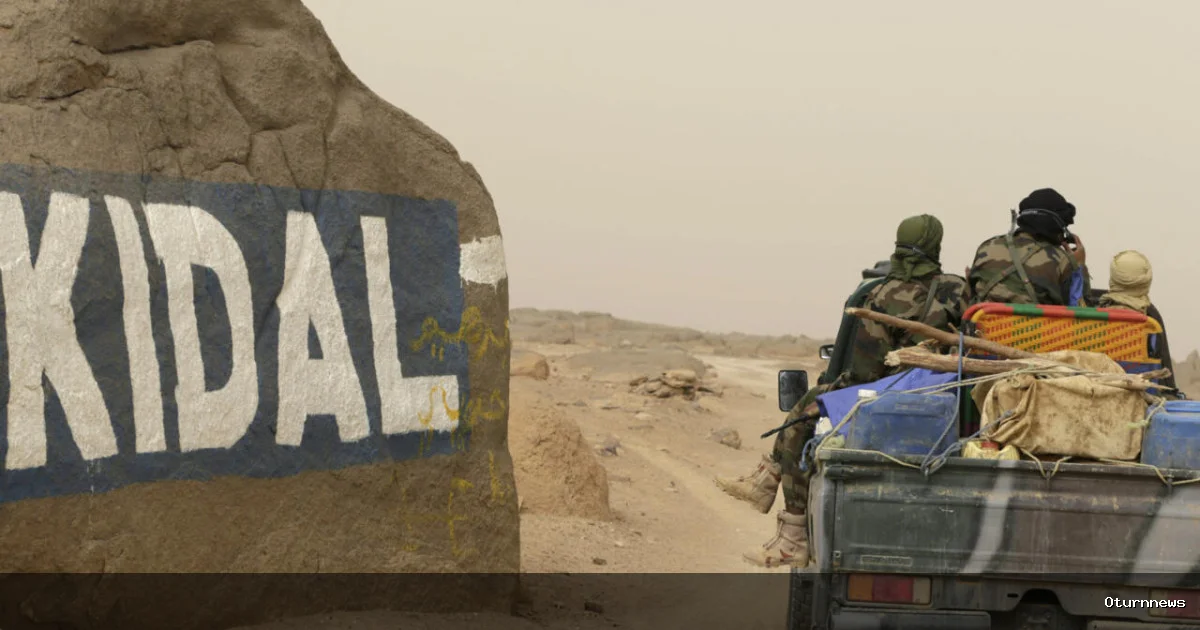
Mali was plunged into its most serious security crisis in years on Saturday April 25 when heavily armed jihadist militants and Tuareg separatist rebels launched a wave of simultaneous coordinated attacks across the country, striking the capital Bamako, the northern cities of Kidal and Gao, and the central town of Sevare in what international analysts are calling an unprecedented offensive against the country's military government.
Two loud explosions followed by sustained gunfire shook residents awake before six in the morning near Kati, Mali's main military base located on the outskirts of Bamako and the compound where military ruler General Assimi Goita is based. The attacks sent shockwaves far beyond Mali's borders, raising immediate alarm across the West African region and drawing urgent responses from the African Union, the United Nations, and the United States government.
More in World
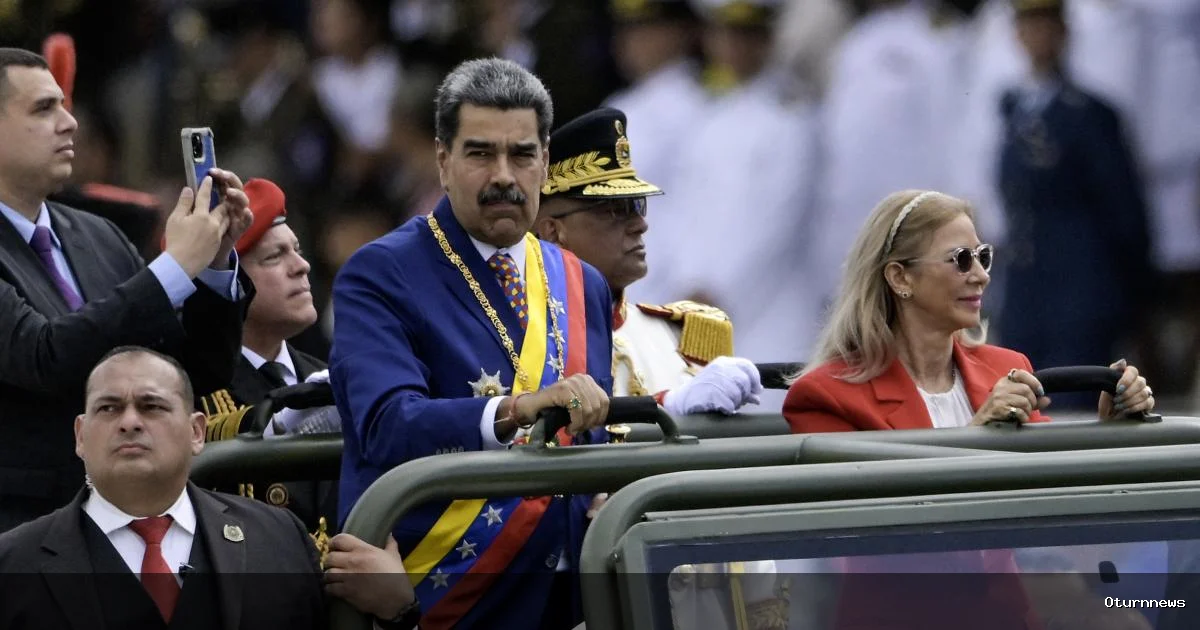
- Nicolas Maduro Tightens Grip on Venezuela as Opposition Faces Renewed Pressure
- William Ruto Under Pressure as Kenya Faces Political Tension in 2026
- Trump Extends Iran Ceasefire as Tensions Rise Over Peace Talks
- Hezbollah Violations Prompt Netanyahu to Order Fresh Military Strikes on Lebanon Targets
- Trump Latest News: US President's Decisions Continue Reshaping Global Politics From Iran to Pakistan
Who Carried Out the Attacks
The al-Qaeda affiliated group Jama'at Nusrat al-Islam wal-Muslimin, widely known as JNIM, claimed responsibility for attacks on Bamako's international airport and multiple other locations across the country. At the same time, the Azawad Liberation Front, a Tuareg separatist organisation known by its French acronym FLA, declared that its forces had seized control of Kidal in the north and claimed advances in Gao. A spokesperson for the FLA posted video footage on social media purporting to show fighters entering the residence of the Kidal regional governor.
Security experts described the apparent coordination between JNIM, an Islamist group, and the FLA, a Tuareg ethno-nationalist movement, as particularly alarming because the two organisations have historically operated with different ideologies and different strategic objectives. The willingness of these groups to align their operations signals a deepening of the threat environment facing Mali's already stretched military government.
The Defence Minister's Residence Targeted
Among the most striking developments of the morning was the attack on the private residence of Mali's Defence Minister General Sadio Camara in Kati. Witnesses reported that the minister's house was struck and extensively damaged during the assault. Staff for the minister later stated that Camara was not at home at the time and was safe. The whereabouts of General Goita, Mali's military ruler, were not immediately confirmed publicly, adding to the anxiety surrounding the scale and ambition of the assault.
Russian Mercenaries Fighting in Bamako
Reports from journalists and witnesses on the ground indicated that Russian mercenaries operating under the Africa Corps, the successor organisation to the Wagner Group which has been supporting Mali's military since 2021, were actively engaged in fighting alongside Malian forces in Bamako, including around the main international airport where some of Africa Corps' Malian headquarters are located. The involvement of Russian forces reflects the extent to which Mali's military government has come to depend on external security support to hold back the insurgencies that have plagued the country since 2012.
However, analysts noted that the withdrawal of some Russian fighters to redeploy on the Ukraine front had created gaps in Mali's security architecture, gaps that Saturday's attackers appeared to have exploited with considerable operational sophistication.
Flights Suspended, US Embassy Issues Shelter Warning
Bamako's international airport suspended all incoming and outgoing flights as the fighting raged in its vicinity. The United States Embassy in Mali issued an emergency alert urging all American citizens in the country to shelter in place immediately and avoid any travel across the country. The African Union condemned the attacks through a statement from its Chairperson, calling for coordinated international support to address the escalating threat of violent extremism across the Sahel region.
Fresh Fighting Continues on April 26
By Sunday April 26, fresh fighting was reported in Kidal between the Malian army and rebel forces, confirming that the situation remained far from resolved despite the army's claim on Saturday afternoon that it had regained control. The United Nations Secretary General called for coordinated international support to address the threat, while the Organisation of Islamic Cooperation also issued a condemnation of the attacks.
Mali has been battling a security crisis since 2012 when a Tuareg rebellion and jihadist takeover of the country's north triggered years of conflict, multiple coups, and international military interventions. The country expelled French forces and the UN peacekeeping mission MINUSMA in 2023, leaving it increasingly dependent on Russian military partnerships that critics argue have failed to stem the tide of violence.
Comments
Leave a Comment
All comments are reviewed before publishing.