
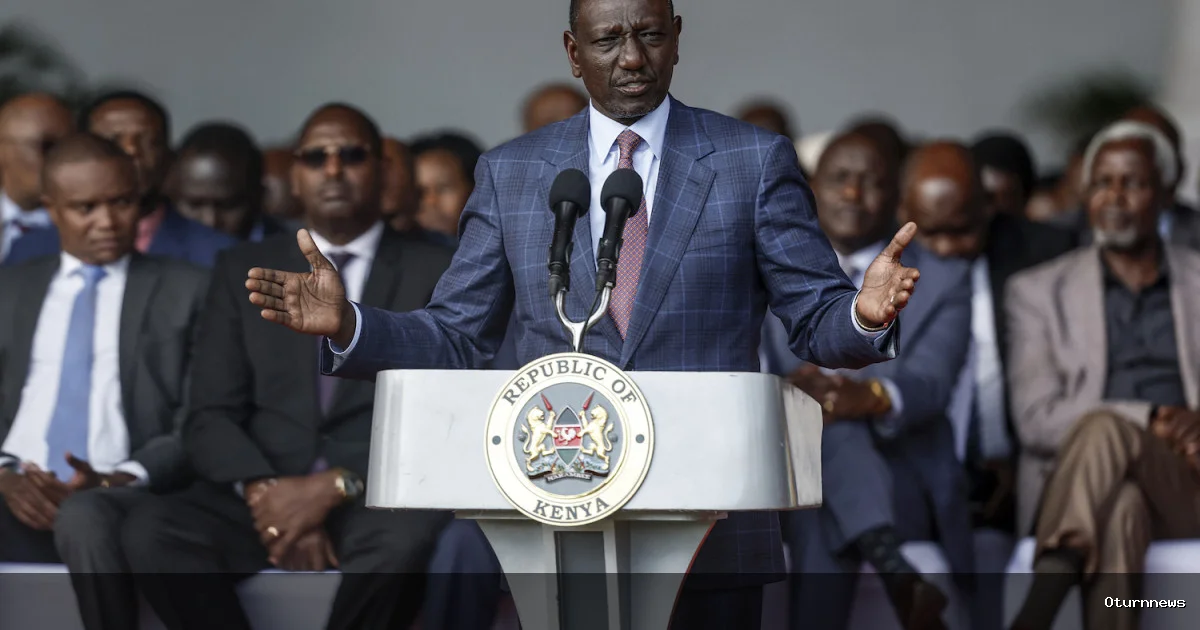
Kenyan President William Ruto continues to navigate one of the most turbulent periods of his presidency in 2026, with domestic political pressures, economic tensions, and questions about governance and accountability placing his administration under sustained scrutiny from citizens, civil society organisations, and opposition figures who have kept pressure on the government through a combination of protest, legal challenge, and political dialogue.
Ruto, who took office in September 2022 after a closely contested election against veteran opposition leader Raila Odinga, came to power on a platform of bottom-up economic transformation aimed at empowering ordinary Kenyans through targeted interventions in agriculture, small business support, and social welfare. The delivery of that promise has been the central source of both political support and political criticism throughout his tenure.
More in World
- Trump Extends Iran Ceasefire as Tensions Rise Over Peace Talks
- Hezbollah Violations Prompt Netanyahu to Order Fresh Military Strikes on Lebanon Targets
- Trump Latest News: US President's Decisions Continue Reshaping Global Politics From Iran to Pakistan
- US Iran Peace Talks Collapse as Trump Cancels Pakistan Trip and Naval Blockade Tightens
- Breaking: Mali Under Attack as Jihadists and Tuareg Rebels Launch Nationwide Offensive on Bamako
The Economic Context Driving Political Tension
Kenya's economy has faced significant headwinds since the beginning of Ruto's term. A combination of high public debt, currency depreciation against the US dollar, elevated inflation, and the cascading effects of global supply chain disruptions has created real hardship for millions of Kenyan households. The cost of basic food items, fuel, and essential services has risen sharply over the period, squeezing household budgets and fuelling public frustration.
The government's response has included several interventions including fuel subsidy adjustments, targeted agricultural support, and debt restructuring efforts, but critics argue that the administration's fiscal approach has placed too heavy a burden on ordinary Kenyans through taxation while insufficiently addressing wasteful government expenditure and corruption at the top of the public sector.
Kenya's Significance in the East African and Continental Context
What happens in Kenya matters well beyond its borders. As one of East Africa's largest economies and a regional hub for finance, technology, and international trade, Kenya's political stability and governance quality have direct implications for the entire region. Nairobi is home to the headquarters of numerous international organisations and serves as a gateway city for East and Central African business and diplomacy.
For Nigeria and West Africa, Kenya's trajectory under Ruto offers a point of comparison and reflection on the challenges of governing complex, populous African nations during a period of global economic stress. The questions being asked of Ruto's government about transparency, public accountability, and the delivery of electoral promises are questions that echo across the continent.
Read more on Oturnnews: African Politics and Leadership News from Across the Continent
See also: East Africa Regional News and Economic Updates 2026
Kenya and Nigeria: Shared Lessons in African Governance
The political experiences of Kenya and Nigeria carry striking similarities that make tracking Kenyan political developments genuinely instructive for Nigerian observers. Both nations are large, multiethnic, English-speaking democracies in their respective regions. Both have wrestled with the gap between electoral promises and governance delivery. Both have dynamic civil societies, vocal media landscapes, and populations that are increasingly unwilling to accept poor governance without consequence.
The way Kenya navigates its current political pressures, particularly around accountability, economic management, and the relationship between citizens and their government, will have lessons that resonate across sub-Saharan Africa including in Nigeria where similar conversations are constant features of the national political discourse.


Comments
Leave a Comment
All comments are reviewed before publishing.