
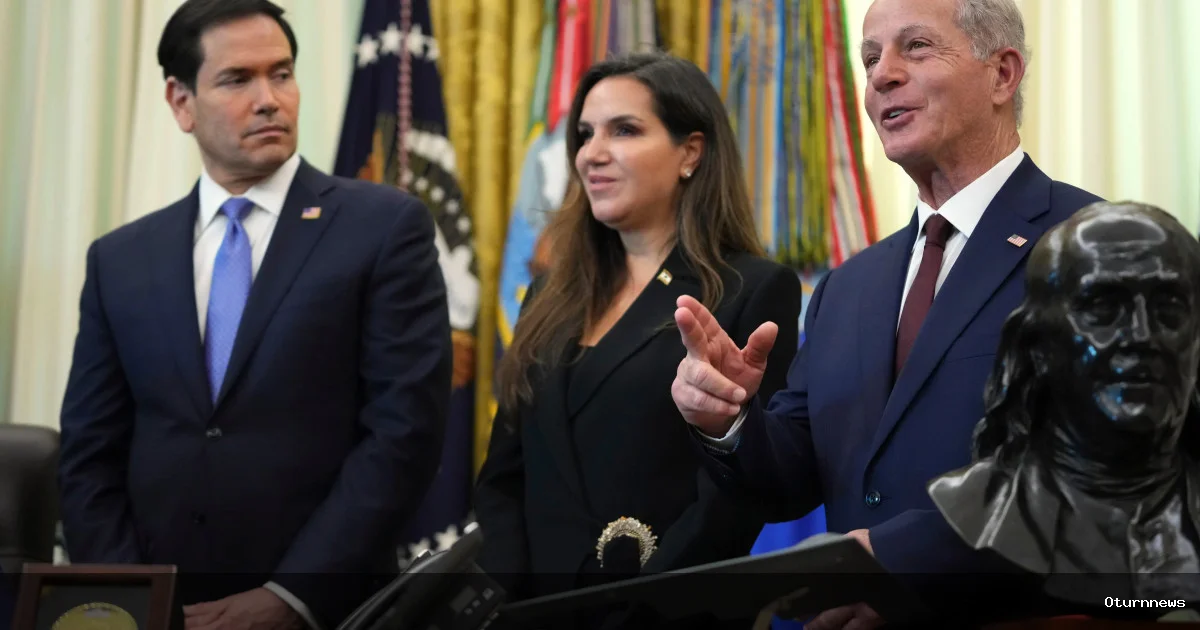
Diplomatic efforts to end the ongoing conflict between the United States and Iran hit a major wall on Saturday April 25 when President Donald Trump abruptly cancelled a planned trip by his top negotiators to Pakistan, the country mediating the ceasefire talks, leaving the fragile peace process in deeper uncertainty and prompting sharp statements from both Washington and Tehran about the conditions for any future negotiations.
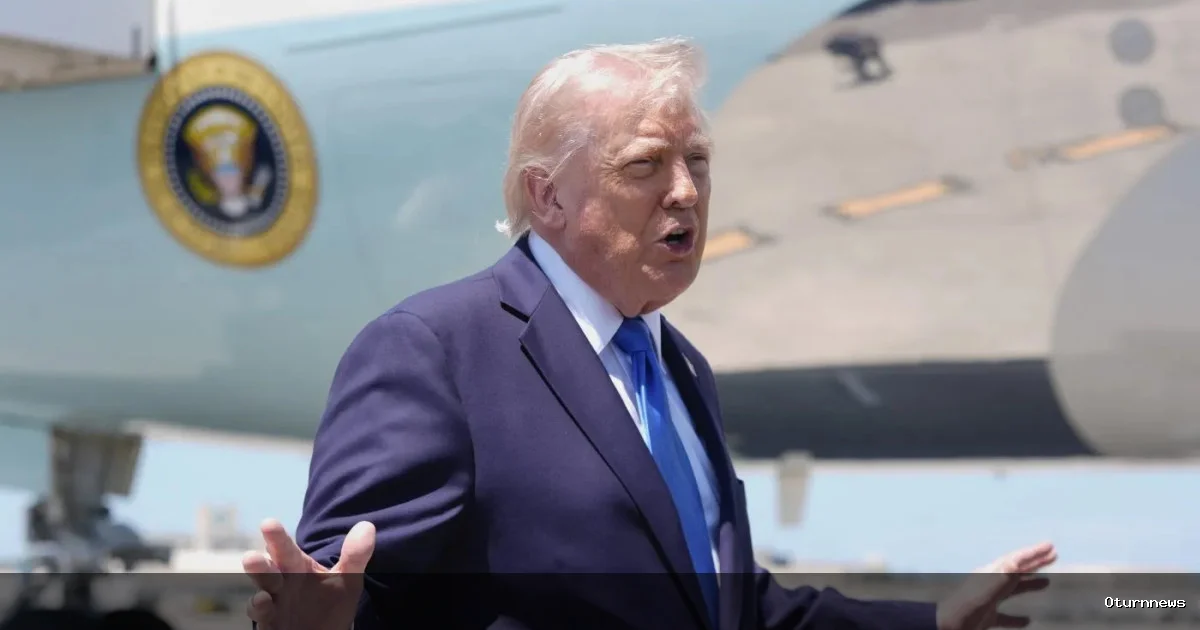
Trump had dispatched senior envoy Steve Witkoff and his son-in-law Jared Kushner to Pakistan for a second round of talks with Iranian representatives, following an initial meeting in Islamabad that had been hailed as a step toward a lasting agreement. However, the president reversed the decision on Saturday morning, telling reporters at Joint Base Andrews that he saw no point in his team spending fifteen hours on aeroplanes to deliver what he described as a document that was not good enough.
More in World
- Breaking: Mali Under Attack as Jihadists and Tuareg Rebels Launch Nationwide Offensive on Bamako
- Nicolas Maduro Tightens Grip on Venezuela as Opposition Faces Renewed Pressure
- William Ruto Under Pressure as Kenya Faces Political Tension in 2026
- Trump Extends Iran Ceasefire as Tensions Rise Over Peace Talks
- Hezbollah Violations Prompt Netanyahu to Order Fresh Military Strikes on Lebanon Targets
Trump's Reasoning and Iran's Response
Speaking to the press before returning to Washington from Florida, Trump said the negotiations would be conducted by telephone going forward, adding that Iran could call the United States whenever it was ready. He also cited what he called internal divisions and infighting within Iran's government as a complicating factor that was making it difficult to determine whether any agreement reached with one Iranian faction would be honoured by the broader leadership structure.
Iran's President Masoud Pezeshkian responded firmly to the escalating pressure, declaring that Tehran would not enter into what he called forced negotiations while facing threats and a naval blockade. The Iranian president made clear in a phone call with Pakistan's Prime Minister Shehbaz Sharif that the US naval blockade of Iranian ports was the primary obstacle to any resumption of meaningful talks. Pezeshkian stated that the United States must first remove the blockade before Iran would return to the negotiating table.
The Naval Blockade and Its Impact
The US Navy has been enforcing a blockade of Iranian ports since mid-April, redirecting vessels away from Iranian coastal waters as part of the Trump administration's campaign to apply economic pressure on Tehran. As of Saturday, 37 ships had been redirected by the US Navy under the blockade operation. Three vessels that refused to comply with directions to turn around were seized by American forces.
The US Treasury Department has also been escalating financial pressure simultaneously, designating 19 vessels with sanctions on Friday as part of what it calls the Economic Fury campaign, accusing the sanctioned ships of having transported Iranian propane and butane in violation of existing restrictions. The dual pressure of the naval blockade and expanding sanctions is creating significant strain on Iran's economy, with Iranian officials warning of rising food prices, surging unemployment, and a looming oil storage crisis as the country's export channels are squeezed.
Pakistan's Mediation Role Under Pressure
Pakistan, which arranged the ceasefire between the US and Iran in early April and has been hosting talks between the two sides in Islamabad, found itself in an awkward position after the cancellation of the US delegation's visit. Prime Minister Sharif expressed continued commitment to the mediation process and assured Iran's president that Pakistan would press forward with its efforts to promote regional peace. Iran's Foreign Minister Abbas Araghchi, who had arrived in Islamabad on Friday, departed before the planned talks could take place, travelling onward to Oman for further regional diplomatic engagement.
The Bigger Picture
The collapse of this round of talks comes as the conflict between the US, Israel, and Iran approaches its two month mark. The ceasefire agreed on April 8 has been repeatedly tested by violations on multiple sides and its long-term viability is increasingly in question. Pentagon assessments shared with Congress suggest it could take up to six months to fully clear Iranian-laid mines from the Strait of Hormuz, a waterway critical to global energy flows through which a significant proportion of the world's oil passes daily.

Comments
Leave a Comment
All comments are reviewed before publishing.