
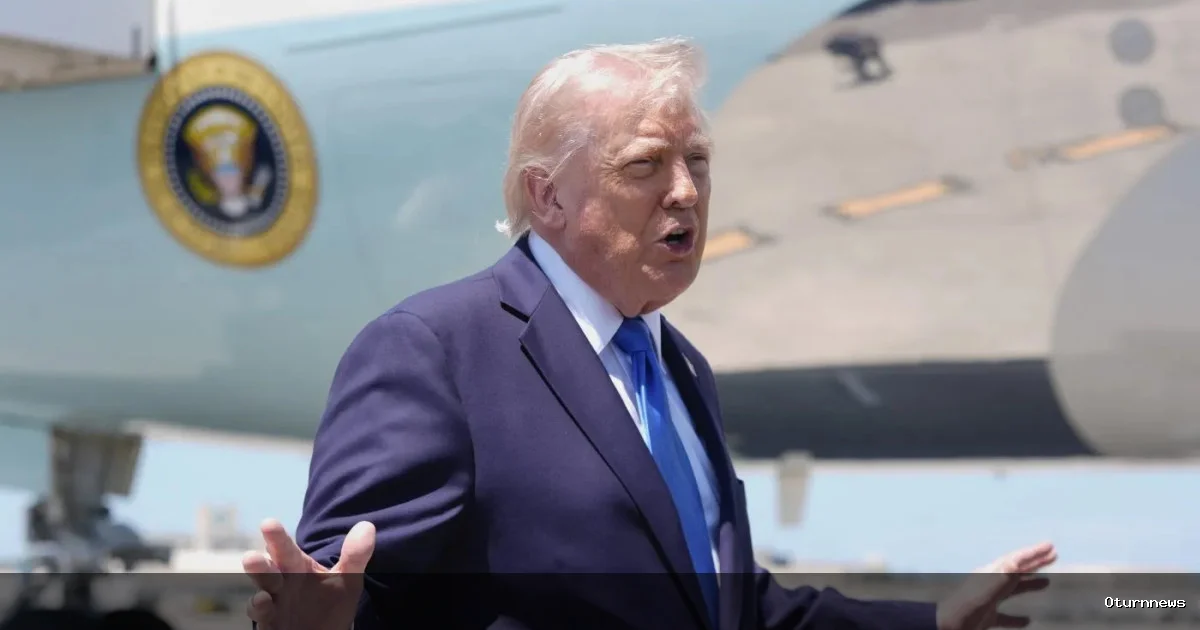
United States President Donald Trump is once again at the centre of global news cycles as his decision to abruptly cancel a planned trip by his top negotiators to Pakistan for Iran peace talks sends new shockwaves through the international diplomatic community and raises fresh questions about the trajectory of the conflict between the United States, Israel, and Iran that began with military strikes in February 2026.
Trump directed special envoy Steve Witkoff and son-in-law Jared Kushner to stand down from their planned Islamabad mission on Saturday, telling reporters that he saw no value in his team spending fifteen hours on aeroplanes to deliver what he characterised as an insufficient offer from the Iranian side. The cancellation came after Iran's foreign minister Abbas Araghchi had already arrived in Islamabad and then departed before the planned talks could take place.
More in World
- US Iran Peace Talks Collapse as Trump Cancels Pakistan Trip and Naval Blockade Tightens
- Breaking: Mali Under Attack as Jihadists and Tuareg Rebels Launch Nationwide Offensive on Bamako
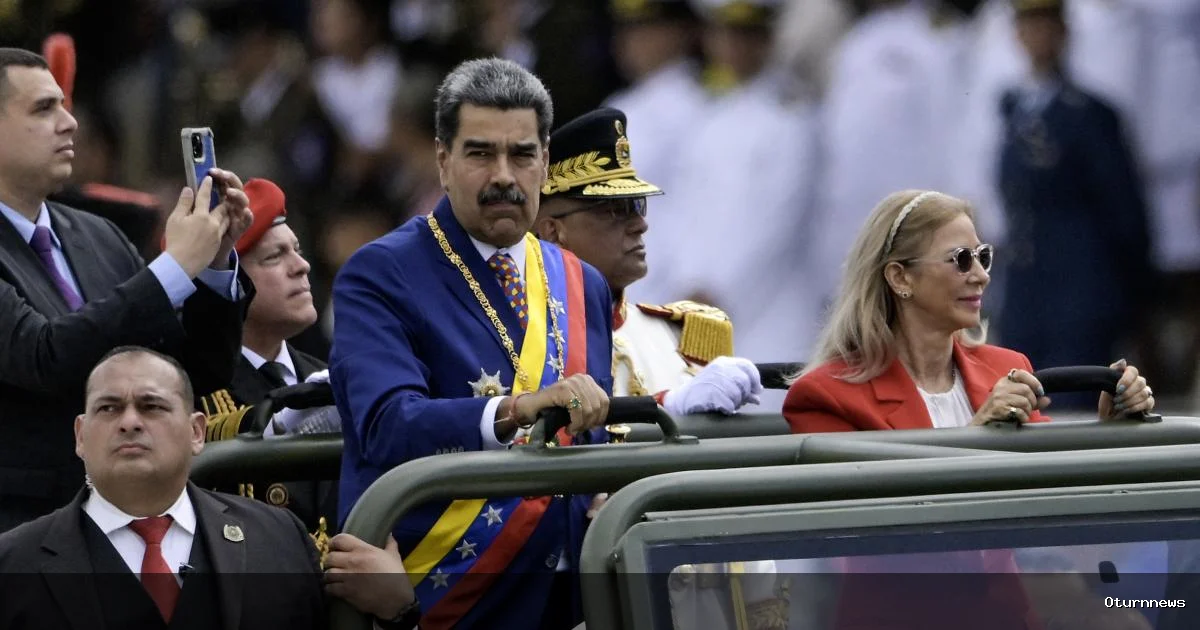
- Nicolas Maduro Tightens Grip on Venezuela as Opposition Faces Renewed Pressure
- William Ruto Under Pressure as Kenya Faces Political Tension in 2026
- Trump Extends Iran Ceasefire as Tensions Rise Over Peace Talks
The Iran Situation as Trump Frames It
Trump cited what he described as internal Iranian infighting as a complicating factor in the negotiations, suggesting that it was unclear which Iranian faction would honour any agreement reached at the negotiating table. He told reporters that negotiations would continue by telephone and that Iran could contact the United States whenever it was ready to engage seriously.
The broader context of Trump's Iran policy involves the continuation of the US naval blockade of Iranian ports that has been redirecting 37 ships as of Saturday and has disrupted Iranian oil exports significantly. Iran's President Pezeshkian has stated that Iran will not engage in negotiations while the blockade remains in place, creating a diplomatic standoff that shows no immediate signs of resolution despite the ceasefire that Pakistan brokered in early April.
Trump's Impact on African and Nigerian Interests
Trump's foreign policy decisions have direct implications for African nations including Nigeria through their effects on global oil markets, shipping routes, and international trade flows. Every escalation in the Middle East that threatens the Strait of Hormuz creates uncertainty in global energy prices that affects Nigeria as both an oil-producing nation and a country whose economy is sensitive to global commodity market conditions.
The Nigerian government, like most African governments, navigates the relationship with Washington carefully, balancing the desire for stable US diplomatic engagement with the realities of a Trump administration that has consistently prioritised bilateral transactions over multilateral frameworks and relationships.
Comments
Leave a Comment
All comments are reviewed before publishing.