
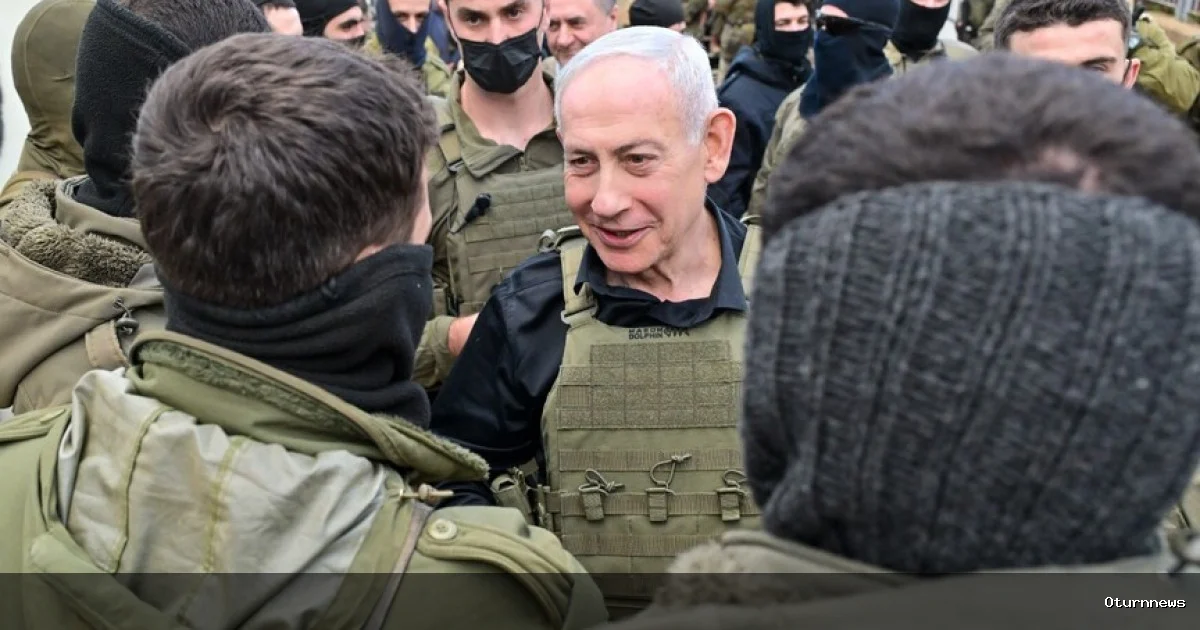
Israeli Prime Minister Benjamin Netanyahu ordered the Israeli Defence Forces to strike Hezbollah targets in Lebanon forcefully following what the Israeli military described as a series of ceasefire violations by the Iran-backed Lebanese militant group. The order, communicated through a brief statement from the Prime Minister's office, directed the IDF to attack Hezbollah positions with significant force in response to the reported violations of the ceasefire arrangement that has been in place between Israel and Hezbollah.
The development adds another layer of tension to a Middle East security environment already stretched by the ongoing conflict involving the United States, Israel, and Iran, and by the fragile peace process being mediated by Pakistan. Hezbollah, which had launched a rocket attack on the Israeli border town of Metula at midnight in an incident described by witnesses as a ceasefire violation, is closely aligned with Iran, and any significant escalation involving Hezbollah carries the risk of drawing Iran more directly into a military confrontation at a moment when the ceasefire between the US and Iran is already under severe strain.
More in World
- Trump Latest News: US President's Decisions Continue Reshaping Global Politics From Iran to Pakistan
- US Iran Peace Talks Collapse as Trump Cancels Pakistan Trip and Naval Blockade Tightens
- Breaking: Mali Under Attack as Jihadists and Tuareg Rebels Launch Nationwide Offensive on Bamako
- Nicolas Maduro Tightens Grip on Venezuela as Opposition Faces Renewed Pressure
- William Ruto Under Pressure as Kenya Faces Political Tension in 2026
The Lebanon Ceasefire Context
The ceasefire between Israel and Hezbollah was established as part of the broader regional de-escalation framework that followed the US and Israeli strikes on Iran earlier in 2026. The ceasefire in Lebanon has been more stable than the one involving Iran directly but has been repeatedly tested by incidents on both sides of the border that each party has characterised differently in terms of whether they constitute genuine violations or defensive responses to prior provocations.
Israel's position is that any armed action by Hezbollah across the Lebanese border constitutes a ceasefire violation that justifies a military response. Hezbollah and its supporters in Lebanon and Iran argue that Israeli military activities near the Lebanese border and Israeli rhetoric about Hezbollah disarmament are themselves provocations that undermine the ceasefire framework.
Regional and Global Implications
For the broader region, the resumption of Israeli strikes on Lebanon complicates the already difficult diplomatic landscape. European governments, which have been supporting the ceasefire process and pushing for a diplomatic resolution to the broader Iran conflict, expressed concern about the fresh escalation. The United States, which is simultaneously trying to maintain its ceasefire with Iran while supporting Israeli security operations, faces the perennial challenge of managing an alliance whose military actions sometimes complicate its own diplomatic objectives.
For African nations including Nigeria that depend on stable global energy markets, every escalation in the Middle East carries economic implications through its potential impact on oil supply routes, insurance costs for maritime shipping, and global investor sentiment toward emerging markets.


Comments
Leave a Comment
All comments are reviewed before publishing.